Availability varies by market and category.

HelpAccessibility
Zoiko Surplus
—About Zoiko Surplus

Turning surplus
into value. Building
trust into every
transaction.

We are building the infrastructure for a more
efficient surplus economy — helping
businesses recover value from excess,
returned, imperfect and second-chance
goods through qualified demand, governed
commerce and responsible disposition
pathways.

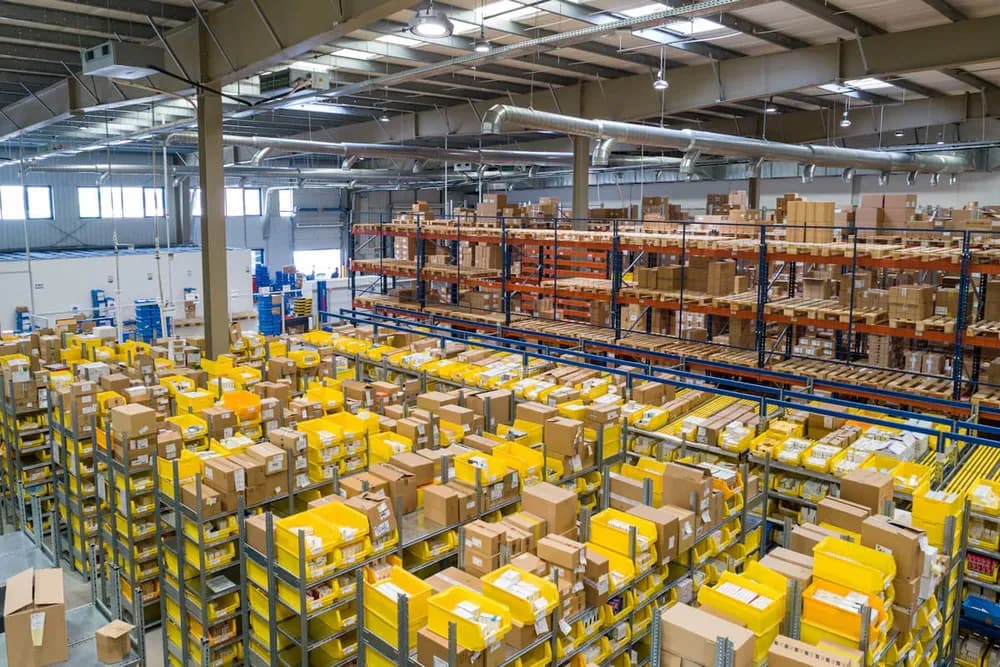
Warehouse aisles stacked with yellow bins and boxes of surplus goods
  • Recover value

    More value from goods that already exist.

  • Qualified demand

    Verified business buyers, not open crowds.

  • Governed trust

    Policy, compliance and auditability.

  • Global by design

    Activated responsibly, market by market.

01Industries we serve

Designed for enterprise
supply across sectors.

One governed architecture spanning many
industries — each activated separately by
category, market and approval.

02Who we are

What is Zoiko Surplus?

Zoiko Surplus is a global-by-design, asset-
light surplus commerce and disposition

platform within Zoiko Supply Group Inc., a

Zoiko Group company.

It is designed to help enterprises qualify
surplus goods, reach appropriately verified

business demand and choose governed

recovery pathways — with market

availability and transaction permissions

activated separately by jurisdiction and

category.

Instead of treating all stock as a public
classified listing, the platform brings

together inventory qualification, seller-

authorized access, policy checks, qualified

demand, commercial recovery decisions,

transaction records and exception

resolution.

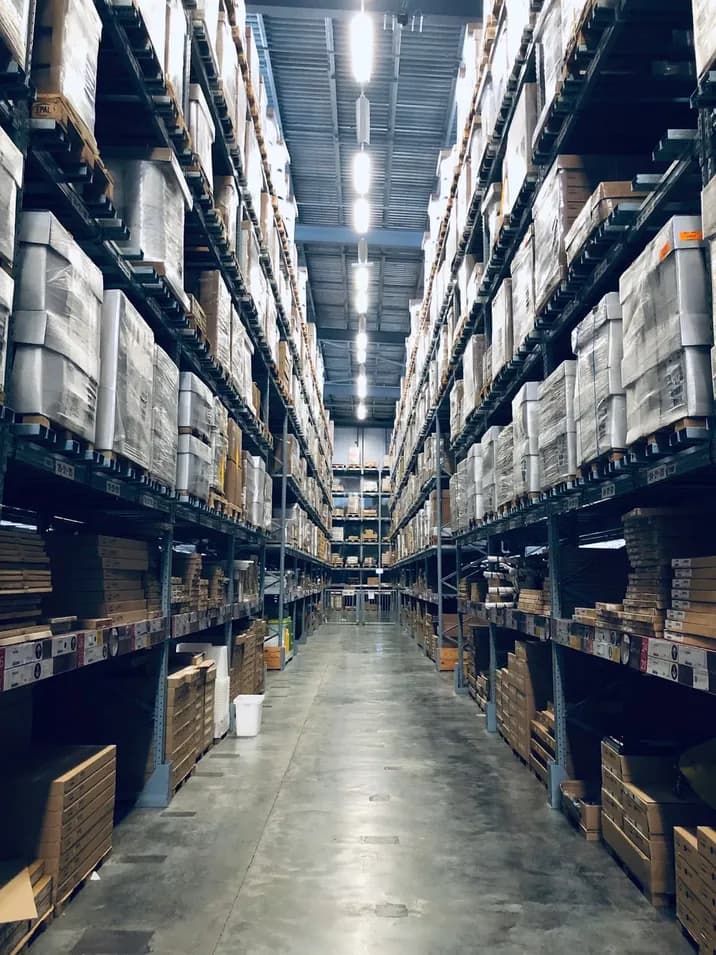
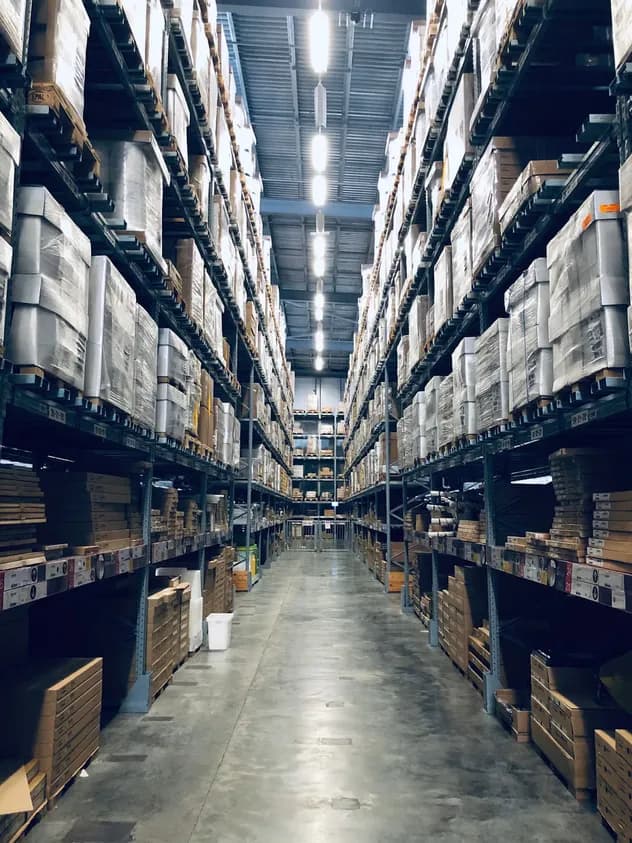
Long warehouse aisle lined with tall shelving full of stock
03Why we exist

Our vision and mission

Our vision

A world where usable products and
productive resources retain their value for

longer, supported by trusted, efficient and

responsible markets.

Our mission

To provide the digital infrastructure that
helps businesses qualify surplus inventory,

reach appropriately verified demand,

evaluate commercially sound disposition

pathways and execute accountable

transactions — market by market, category

by category.

04Our principles

Five principles behind
every decision.

These describe how the platform is designed
to operate — not certifications or third-

party endorsements.

  • Value with discipline

    Recovery outcomes must respect product
    safety, ownership, contractual rights and

    lawful trade.

  • Trust before access

    Verified identity alone is insufficient; role,
    market and buyer eligibility are evaluated in

    context.

  • Seller control

    Enterprises retain approved control over
    audiences, inventory disclosures and

    disposition routes.

  • Evidence before claims

    Track outcomes with clear calculation
    boundaries rather than asserting

    unsupported value.

  • Worldwide design, local accountability

    One foundation accommodates different
    categories, markets, currencies and legal

    models.

05The friction

Problems we are
designed to solve.

Specific commercial friction points — and
the governed response each one is designed
to receive.

  • P01

    Idle capital &
    value decay

    Slow disposition
    erodes recovery
    and ties up space
    and working
    capital.

    Designed
    response:
    Recovery-route
    visibility and
    timing-aware
    planning.

  • P02

    Fragmented
    qualified demand

    Contact lists and
    unqualified
    buyers don’t
    prove genuine
    buying capacity.

    Designed
    response: Seller-
    matched
    approved
    business cohorts
    and demand
    evidence.

  • P03

    Brand & channel
    risk

    Uncontrolled
    public exposure
    can compromise
    commercial
    controls.

    Designed
    response: Seller-
    private markets
    and access
    entitlements
    within legal limits.

  • P04

    Weak origin &
    stock truth

    Descriptions,
    condition and
    authority can
    drift across
    systems.

    Designed
    response: Source
    evidence,
    category
    qualification and
    stock-authority
    checks.

  • P05

    Safety &
    jurisdiction
    complexity

    Permitted
    handling and
    disposal differ
    across categories
    and countries.

    Designed
    response:
    Rulepacks and
    policy gates
    before route
    recommendations.

  • P06

    Hidden recovery
    economics

    Gross bid values
    can misrepresent
    fees, transport,
    risk and time.

    Designed
    response: Seller-
    perspective
    expected net
    recovery with
    transparent
    assumptions.

  • P07

    Broken
    transaction
    evidence

    A listing or
    accepted offer
    alone doesn’t
    guarantee
    fulfillment.

    Designed
    response:
    Governed order
    handoff, third-
    party rails and an
    evidence trail.

  • P08

    Urgent food &
    grocery surplus

    Shelf life and
    handling can
    make delayed
    routes
    unsuitable.

    Designed
    response:
    Separate food
    category pack,
    safety checks
    and gated
    activation.

06The platform

Three interdependent
solutions.

One governed system across enterprise
supply, qualified demand and approved
recovery — described as designed
architecture, not live operations.

Warehouse worker checking stock against a tablet between storage racks
Surplus Enterprise

Qualify and govern surplus
stock.

Documented lot qualification, authorized
disposition planning, recovery analysis and
workflow evidence — not a claim that the
software owns or inspects inventory.

Learn more
Two business professionals shaking hands
Surplus Exchange

Reach verified, approved buyers.

Seller-controlled private marketplaces,
eligibility-gated access and controlled offers
where approved. Invitation, verification and
purchasing authority stay separate.

Learn more
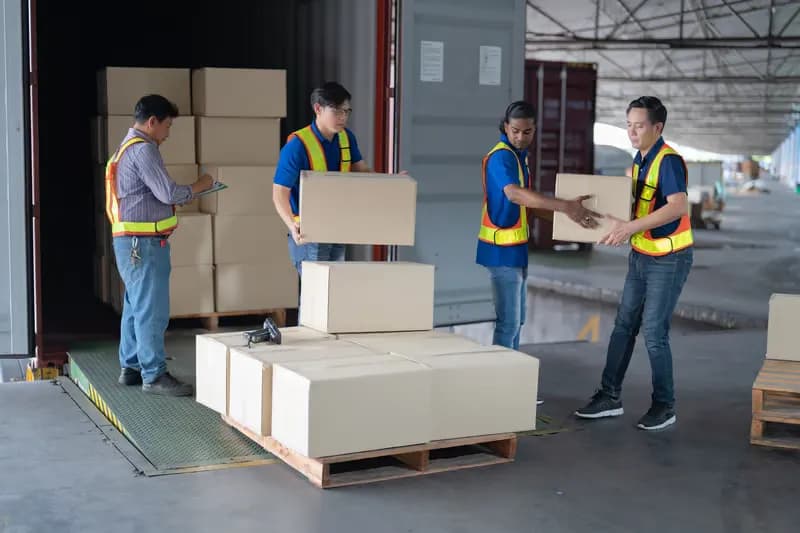
Warehouse workers in high-visibility vests handing over cardboard boxes
Surplus Network

Coordinate permitted
disposition.

Coordination of lawful collection, logistics,
redistribution and donation — without
implying Zoiko operates its own warehousing
or carrier fleet.

Learn more

07For enterprise sellers

Protect margin, brand
and control.

For retailers, distributors,
manufacturers and inventory owners
who need to recover value without
exposing pricing, brand or channels.

  • Qualified stockClear, documented lots reduce
    ambiguity, disputes and avoidable
    returns.

  • Governed private demandYou decide which verified buyers are
    ever shown an opportunity.

  • Defensible net outcomesEvaluate routes on expected net
    recovery, not headline bids.

Clothing hanging on a retail rack
Person reviewing technical blueprints at a workbench with tools

08The seller control

You stay in control of your
inventory.

Participation is seller-controlled at every
step. You define what is offered, to whom,
and under which rules — and you can
change it.

  • Stock qualificationSet the condition and documentation each
    lot must meet.

  • Permitted audiencesApprove which verified buyers can see an
    opportunity.

  • Category rulesApply the safety and handling requirements
    for each category.

  • Market-specific controlsReflect where a route is permitted and active.

09How it works

Qualify → Govern →
Match → Optimize →
Transact → Prove →
Resolve.

Each stage produces a trusted input for the
next. Select a stage to see what it does in
plain English.

Qualify

Confirm condition, quantity,
provenance and the category
requirements a lot must meet before it
can move.

  • Input: Lot record
  • Output: Qualified lot
10Why we are different

Nine meaningful
differentiators.

Defensible advantages with evidence and
boundaries.

  • 01

    A governed disposition system

    Qualification, audience, policy, economics,
    transaction and evidence are connected —
    beyond posting listings.

  • 02

    Seller-private access

    Verified eligible buyers see only seller-
    authorized, policy-approved opportunities.

  • 03

    Policy before optimization

    Prohibited, recalled or ineligible routes are
    excluded before economic ranking.

  • 04

    Asset-light neutrality

    Seller goods remain with accountable
    economic actors; Zoiko is not an assumed
    warehouse owner.

  • 05

    Verified participation

    KYB, audience rights, category qualification
    and transaction access are distinct checks.

  • 06

    Seller-focused net recovery

    Fees, timing, transport, failure risk and
    recovery choices are evaluated explicitly.

  • 07

    Category-specific safety

    Versioned qualification packs distinguish
    apparel, food, electronics and more.

  • 08

    Evidence-led outcomes

    Records support auditable status, claims,
    exceptions and responsible decisions.

  • 09

    Global backbone, activated markets

    Currency, locale, corridor and legal role are
    configuration, not UK defaults.

12

Trust & safety

Trust is a process, not a
badge.

Four disciplines keep transactions
accountable. None of them, on its own, is a
guarantee.

  • Verifiedparticipation

    Identity, role andeligibility checksfor theparticipants atransaction relieson.

  • Controlledvisibility

    Confidentialinventory, pricesand audiencesstay protectedfrom public view.

  • Policy & productsafety

    Country,category,corridor andbrand controlsare evaluated atrelevant actiongates.

  • Records &resolution

    Documentedorders andevidence, withgovernedhandling of holdsand disputes.

Boundary statement

Zoiko Surplus does not assumeownership of third-party goods,operate a warehouse fleet or holdcustomer funds as a defaultcapability. Actual contracting parties,payment-provider roles, title and risktransfer, category responsibilities andmarket eligibility are determined byapproved legal and operatingconfigurations.

13

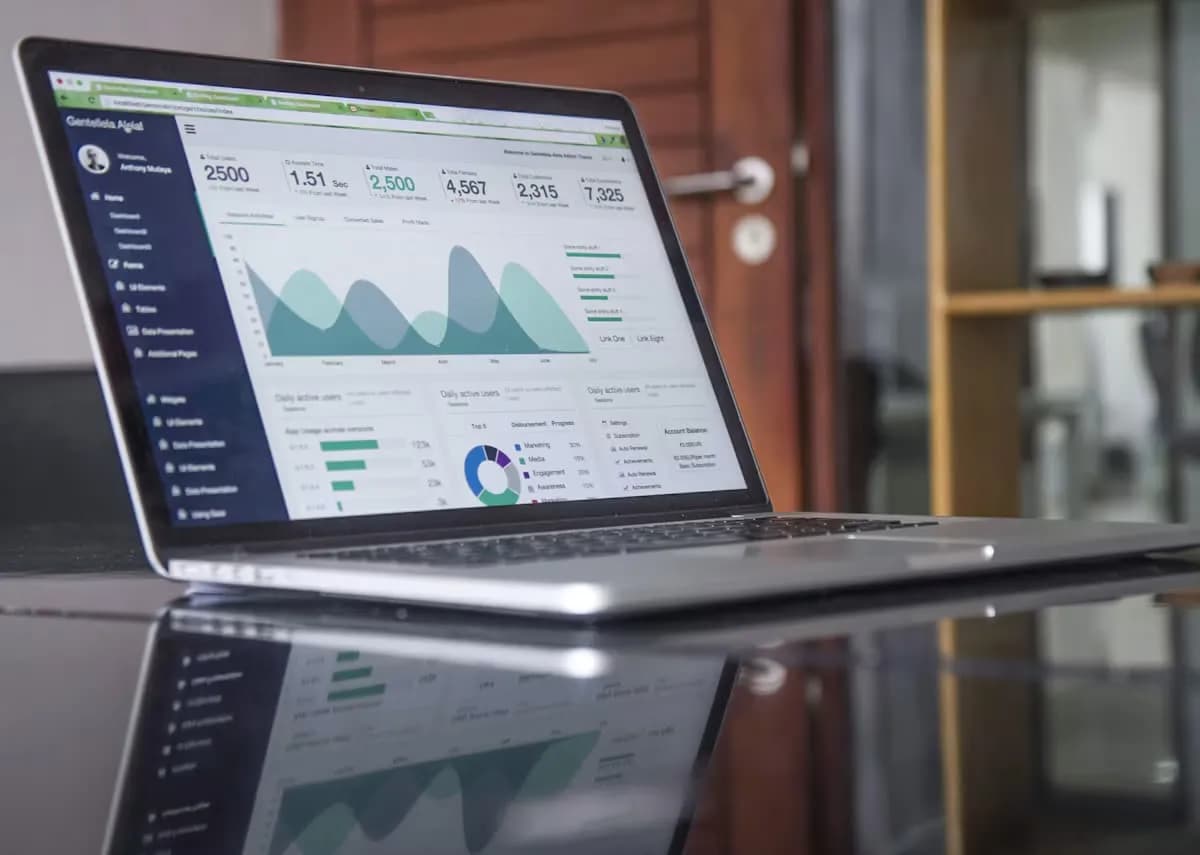
Outcomes & reporting

What we measure — not
what we assume.

We define the measures that matter and
show figures only after methodology, data
lineage, period and disclosure rights are
confirmed. No invented statistics.

  • Gross & expected net recovery

    Value before and after fees, transport, risk and time.

  • Authorized sell-through

    By qualified buyer cohort, not open public demand.

  • Time to qualified offer

    How quickly a lot reaches an eligible, approved offer.

  • Documented disposition

    The route a lot actually took, end to end.

  • Exception handling

    Holds, disputes and recalls, with governed resolution.
  • Verified donation transfer

    Confirmed charitable and recovery hand-offs.

  • Audit trail

    Who did what, and when.

  • Methodology & lineage

    Every figure carries period, boundary and source.

14Questions

Questions, answered
plainly.

Zoiko Surplus is a global, asset-light B2B platform being developed to help organizations qualify, market and responsibly dispose of eligible surplus goods through governed commercial and recovery pathways.

Enterprise sellers with eligible surplus, verified business buyers and approved recovery or logistics partners can use the platform once they have been qualified.

No. Zoiko Surplus provides orchestration, governance and exchange infrastructure. It is not the owner of listed goods or the default contracting seller.

Participants are qualified, listings are governed by category and market rules, and visibility is limited to verified parties rather than open to the public.

No. Inventory and pricing are visible only to verified participants within their approved markets and categories.

Market availability, product eligibility and trading rights vary by jurisdiction, category, parties and approved transaction corridor.

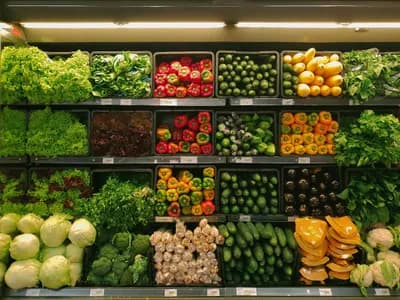
Food and grocery surplus is handled through category-specific eligibility, compliance checks and approved recovery pathways, where permitted.

Payments, logistics and fulfilment are carried out through approved partners and governed transaction pathways rather than by Zoiko Surplus directly.

No. The platform provides governed pathways and tools; commercial and sustainability outcomes depend on the goods, markets and parties involved.

Zoiko Surplus is a platform within Zoiko Supply Group Inc., a Zoiko Group company. Contact our team for details on the operating entity in your market.

Turn surplus into
measurable, defensible
outcomes.

Talk to our team about governed
enterprise surplus pathways, verified
demand and category-specific
requirements.